
What are hybrid seeds?
Despite their ubiquity, many gardeners ask "what are hybrid seeds?"
To answer, we can first consider what are not hybrid seeds. The two alternatives are 'heirloom' seeds produced through open pollination, that is, natural pollination through the activity of birds, mammals and insects, and seeds produced through clonal propagation.
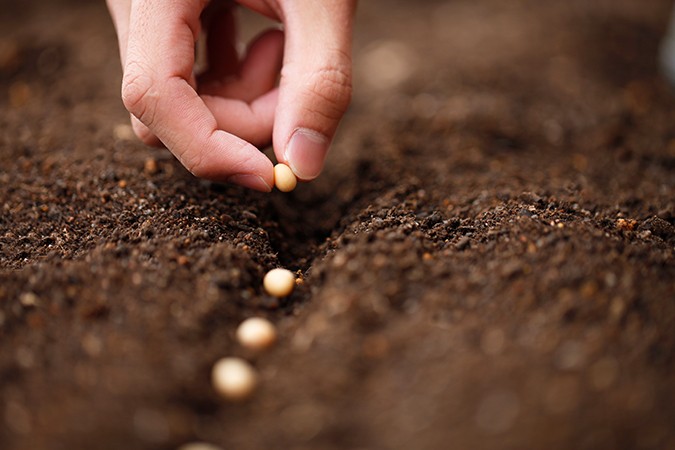
What are hybrid seeds though?
Hybrid seeds are seeds that have been produced by deliberately crossing two different varieties of the same plant species.
Pollen is first taken from the male flower of a plant to the female part of another plant. The ovary of the female flower will then swell and develop fruit. The seeds that are produced within this fruit will be hybrid.
These hybrid seeds are categorized as F1 (first generation) types, and will produce similar plants.
However, if you plant the seeds produced by this next generation, the resulting plants will not share the same characteristics as the parent plants. Instead, they revert to the distinct traits of the two original parent varieties.
This means that gardeners must cross the same parent plants each time to produce the same hybrid seeds.
What are hybrid seeds benefits?
This process seems unnecessarily complicated, so it is natural to ask "what are hybrid seeds benefits?"
Plant breeders produce hybrid seeds by crossing plant varieties to isolate and encourage the development of certain desirable characteristics, such as high crop yield, increased resistance to pests, and vibrant colour. Plant breeders select parent plants based on the characteristics they are looking for with the aim that the resulting hybrid seeks will exhibit these consistently.
By experimenting with different parent plant combinations over many generations and years, plant breeders hope to discover a formula for hybrid seeds that is more likely to ensure healthy and abundant yields.
This greater consistency means less risk for gardeners and farmers, making them well-suited to commercial agriculture.
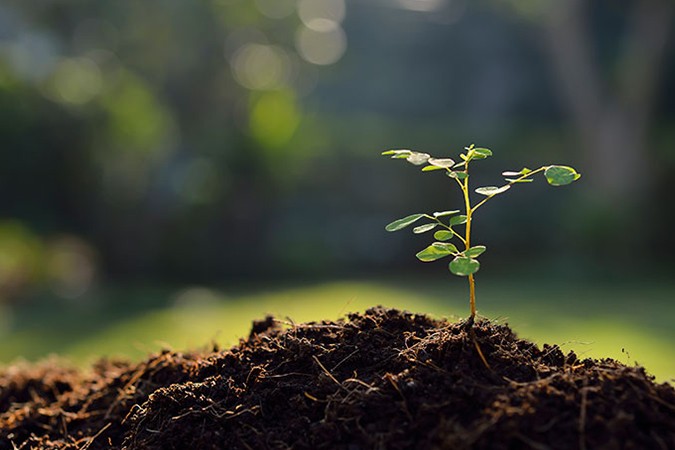
What are hybrid seeds disadvantages?
There is no right or wrong way when it comes to producing seeds, so it's perhaps not ideal to ask 'what are hybrid seeds disadvantages?'
Both hybrid and heirloom, or open-pollination, seeds can be organic after all.
Relying on hybrid seeds is fine if you don't want to save the seeds of the next generation. This is because these seeds will carry genetic information from both or either parent, so it is harder to predict what traits will manifest. It does mean though that you are dependent on hybrid seed sellers unless you choose to cross-pollinate plants yourself.
If, however, you like the characteristics of a particular plant and want to save them from year to year, then open-pollinated or heirloom seeds could be the way to go. These seeds can be saved and handed down through the generations, and while their plants generally require more care, many claim the resulting fruits taste better than their hybrid seed counterparts.
What are hybrid seeds? Key takeaways
- Hybrid seeds are produced by crossing two different varieties of the same plant.
- Heirloom seeds, by contrast, are produced through natural pollination.
- Hybrid seeds are the result of the careful selection of parent plants based on certain desired characteristics.
- As a result, they are often more vigorous and produce higher yields making them suited to commercial agriculture.
- Later generations of hybrid seeds revert to the original parent plants' traits, so it is necessary to continuously cross-pollinate to produce hybrid seeds with the same characteristics.
- Heirloom seeds, meanwhile, retain the same traits through successive generations but tend to require more care.
BAC Online contact details
Would you like more information about BAC products or our sales points?
Translation not available
This website uses cookies. By using this website, you agree to the use of cookies. Read more